 10:49–15:14
Chapter 01
A coffee-shop moment revealed the business
Sheeraz traces the business from Tinseltown TV to a West Hollywood coffee shop, where paparazzi footage of Britney Spears reached British television by the following day.
Hollywood Raw · Long-form interview
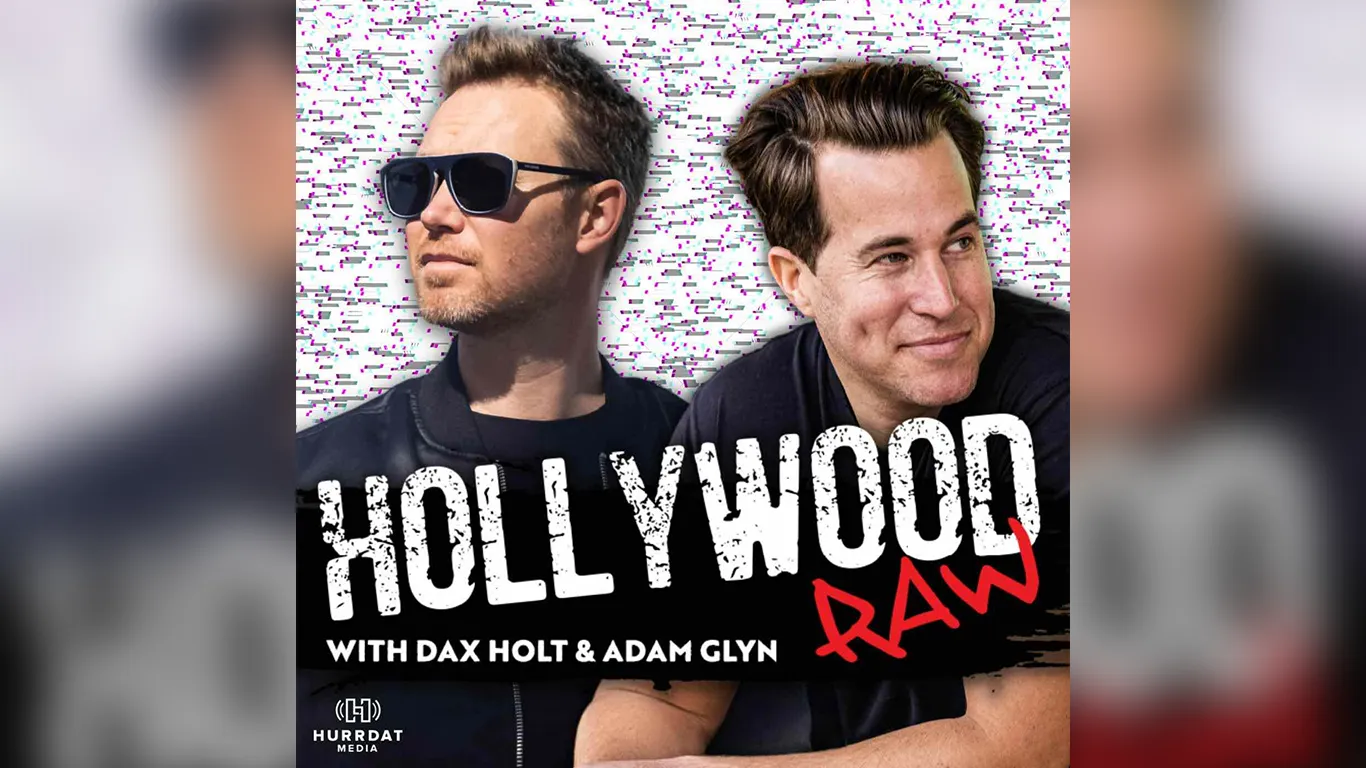
Across a 63-minute conversation, Sheeraz explains how Hollywood.TV began, why he stopped chasing Paris Hilton and proposed a partnership, how Kim Kardashian kept moving through years of rejection, and why control of distribution mattered more than advertising.
Listen now
Hollywood Raw · Long-form podcast
4 playable chapters
Move directly through the moments that explain the company, the partnerships and the commercial model.
10:49–15:14Chapter 01
Sheeraz traces the business from Tinseltown TV to a West Hollywood coffee shop, where paparazzi footage of Britney Spears reached British television by the following day.
 17:54–19:50
Chapter 02
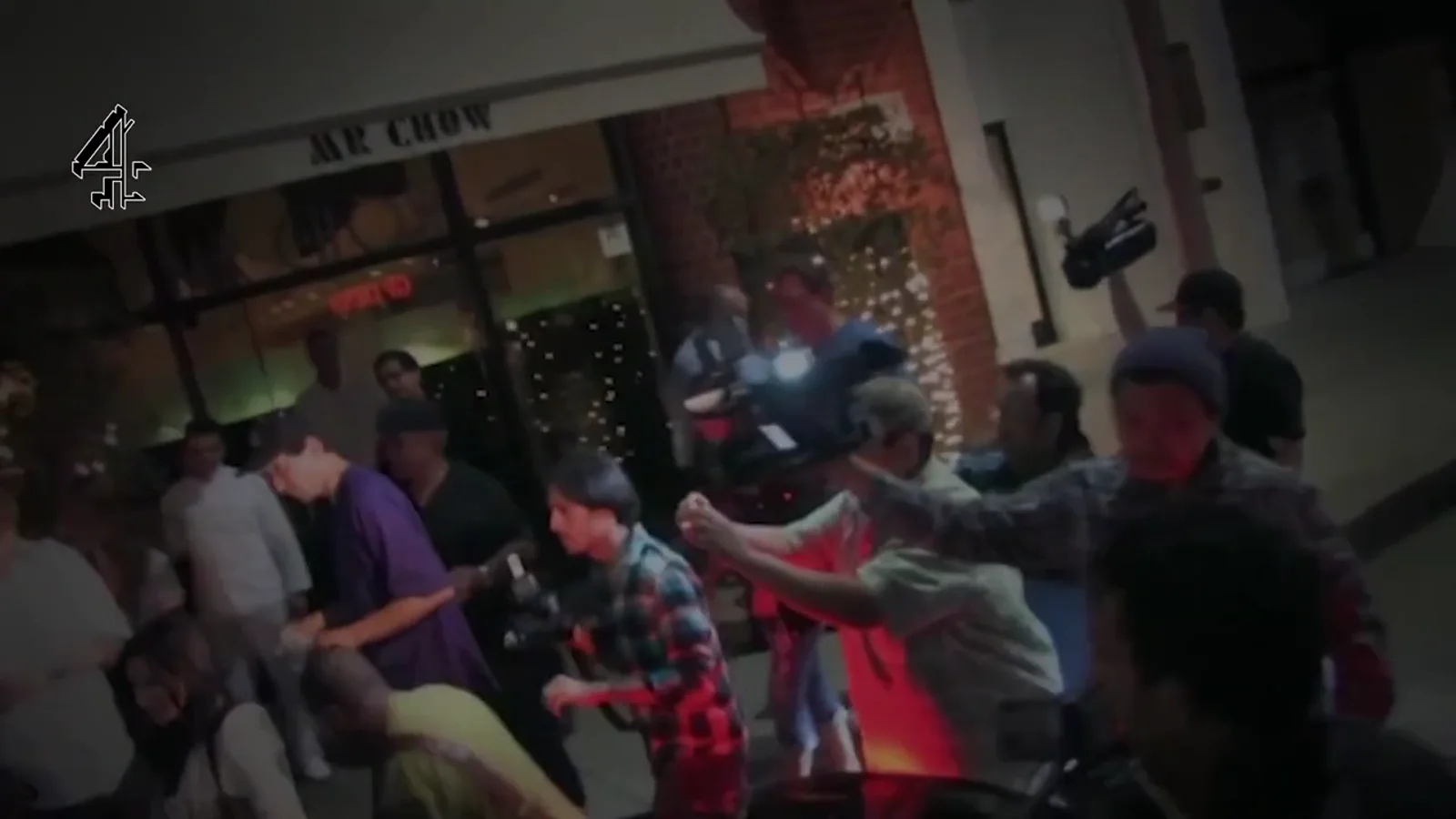
After seeing photographers wade through the ocean for a distant shot, Sheeraz went to Paris's door and proposed a direct working relationship.
 21:15–24:49
Chapter 03
Sheeraz recalls the repeated rejection around Kim's name and the quality that kept the strategy moving: her belief that she would become the most famous person in the world.
 44:02–45:21
Chapter 04
Near the end of the interview, Sheeraz draws the commercial distinction that runs through the entire story: paid exposure is bought; earned media becomes news people choose to repeat.
Paris Hilton, on the record
“Sheeraz knows how to create disruption around the world.”
The interview explains how the partnership began. Paris supplies the independent confirmation of why it endured across changing media eras and international launches.
Read the Paris Hilton case studyHollywood Raw begins with the hosts discussing This Is Paris. When Sheeraz Hasan joins them, the conversation moves backwards: first to Tinseltown TV, then to the birth of Hollywood.TV, the partnership with Paris Hilton and the years spent building recognition around Kim Kardashian.
The episode gives Sheeraz space to explain how the work was done.
Sheeraz arrived in Los Angeles with Tinseltown TV, a format that connected Hollywood studios with South Asian audiences in more than 100 countries. Before he entered the paparazzi business, he had already learned that access only becomes valuable when there is a reliable route to an audience.
The Britney Spears encounter on Robertson Boulevard supplied the next lesson. A few minutes of footage from a West Hollywood coffee shop reached British television by the following morning. The opportunity was not simply taking celebrity photographs. It was organising the supply line that moved those images around the world.
Hollywood.TV formalised that insight. Sheeraz offered photographers predictable salaries in exchange for exclusive footage, then distributed the material to broadcasters with the Hollywood.TV identity attached. The network accumulated leverage because it consistently possessed footage television companies needed.
The Paris Hilton chapter shows how Sheeraz used that leverage differently. After watching photographers wade through the ocean for a distant photograph, he stopped treating pursuit as the only available relationship between a celebrity and the cameras.
He went to Paris directly and proposed cooperation. The agreement gave the cameras better access and gave Paris a more deliberate way to remain present in entertainment media. As Sheeraz recalls in the interview, it was not a handshake. It was a "business hug."
Paris's separate on-camera endorsement matters here because it confirms the partnership from the other side. The interview supplies Sheeraz's account of how it began; Paris explains why the relationship lasted.
Kim Kardashian entered the story while working with Paris. The market did not yet see a durable celebrity proposition, but Sheeraz saw the conviction behind Kim's ambition and continued building recognition around her despite repeated rejection.
The decisive advantage was not the number of photographs. Hollywood.TV controlled material broadcasters already wanted. Developing Kim stories could therefore travel alongside premium celebrity footage inside an established distribution relationship.
"I've got the gold," Sheeraz says. "I've got the content, so I make the rules."
That distinction separates repetition from strategy. More exposure alone does not guarantee demand. Distribution, timing and the usefulness of the story determine whether repeated visibility compounds into recognition.
Near the end of the conversation, Sheeraz distinguishes advertising from earned media. Advertising purchases space. Earned media becomes a story that publishers and audiences choose to carry forward.
Hollywood.TV mattered because it operated inside that exchange. It supplied broadcasters with material audiences already followed and created a route through which emerging people, products and appearances could become part of the wider news cycle.
The Hollywood.TV case study documents the network itself. The Paris Hilton case study follows the partnership across changing media eras. The Kim Kardashian case study traces how sustained visibility became global commercial leverage.