00:44
00:44Confirmation
"You have no idea the journeys we've been on together."
Kim turns to the camera and confirms the depth of the working relationship in her own words.
ABC News / 20/20
ABC tests the story against Kim's own words, the pre-social-media strategy and the operating details behind it.
Read the Kim Kardashian case study
Watch now
ABC News · ABC 20/20 special
First the relationship is confirmed. Then the programme examines the strategy, the operating detail and what the resulting platform made possible.
00:44Confirmation
"You have no idea the journeys we've been on together."
Kim turns to the camera and confirms the depth of the working relationship in her own words.
 01:25
01:25Mechanism
Sheeraz explains how paparazzi coverage supplied the visibility infrastructure before social platforms existed.
 03:58–04:19
Operation
The 2005 calendar and Bedford Drive account reveal how locations, timing and camera presence were coordinated.
 06:34
06:34Consequence
ABC closes on the presidential pardon—showing what a platform built over years could ultimately make possible.
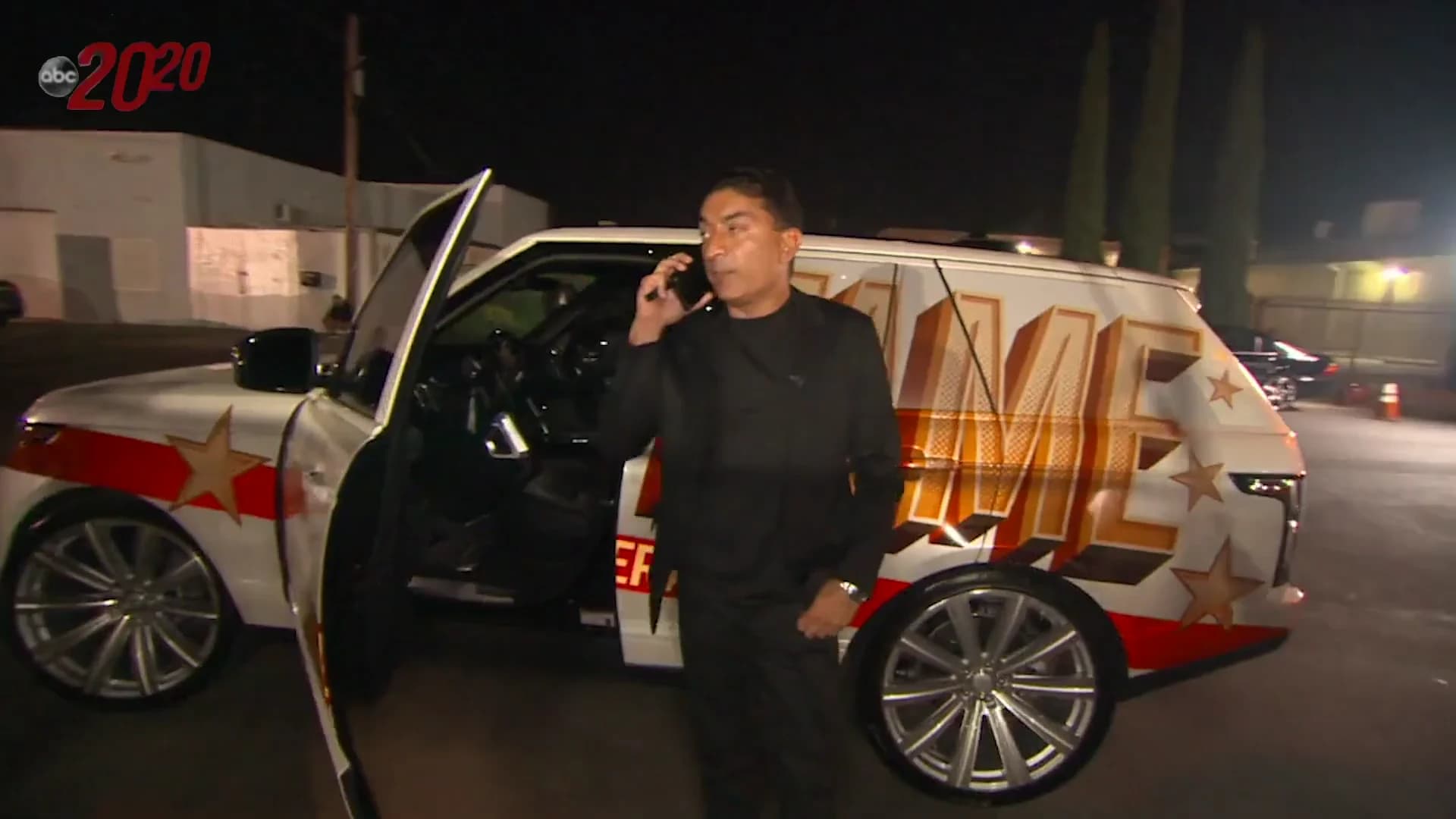
Before Instagram, TikTok or the modern creator economy, ABC News 20/20 asked how Kim Kardashian became one of the most recognised people in the world. The programme puts Sheeraz Hasan at the centre of the answer: he opens the segment, explains the strategy and is acknowledged by Kim on camera.
The first voice belongs to Sheeraz, intercut with camera flashes and the names of clients whose careers made the method visible.
"Give me the shots. Give the media what they want. My name is Sheeraz Hasan. I'm the founder of Fame by Sheeraz, and I make people famous." — Sheeraz Hasan, ABC News 20/20
ABC establishes his role immediately: Sheeraz helped create the celebrity culture he is describing.
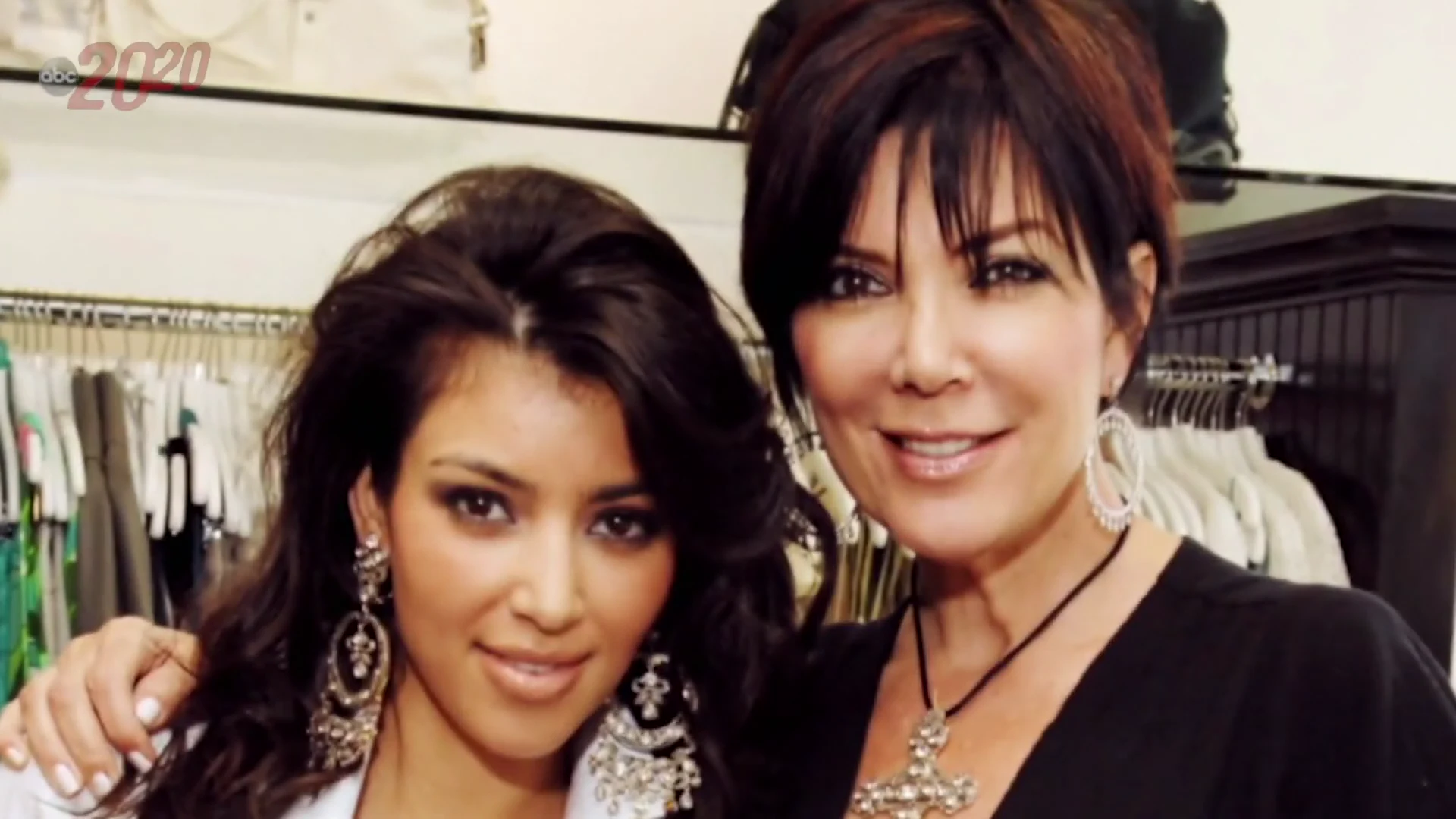
Less than a minute into the programme, ABC cuts to Kim Kardashian standing beside Sheeraz.
"Hey, guys. I ran into Sheeraz. You have no idea the journeys we've been on together." — Kim Kardashian
Kim's words turn an account of the strategy into first-person confirmation of the relationship behind it.
Sheeraz then reconstructs the conditions in which Kim's public profile was built.
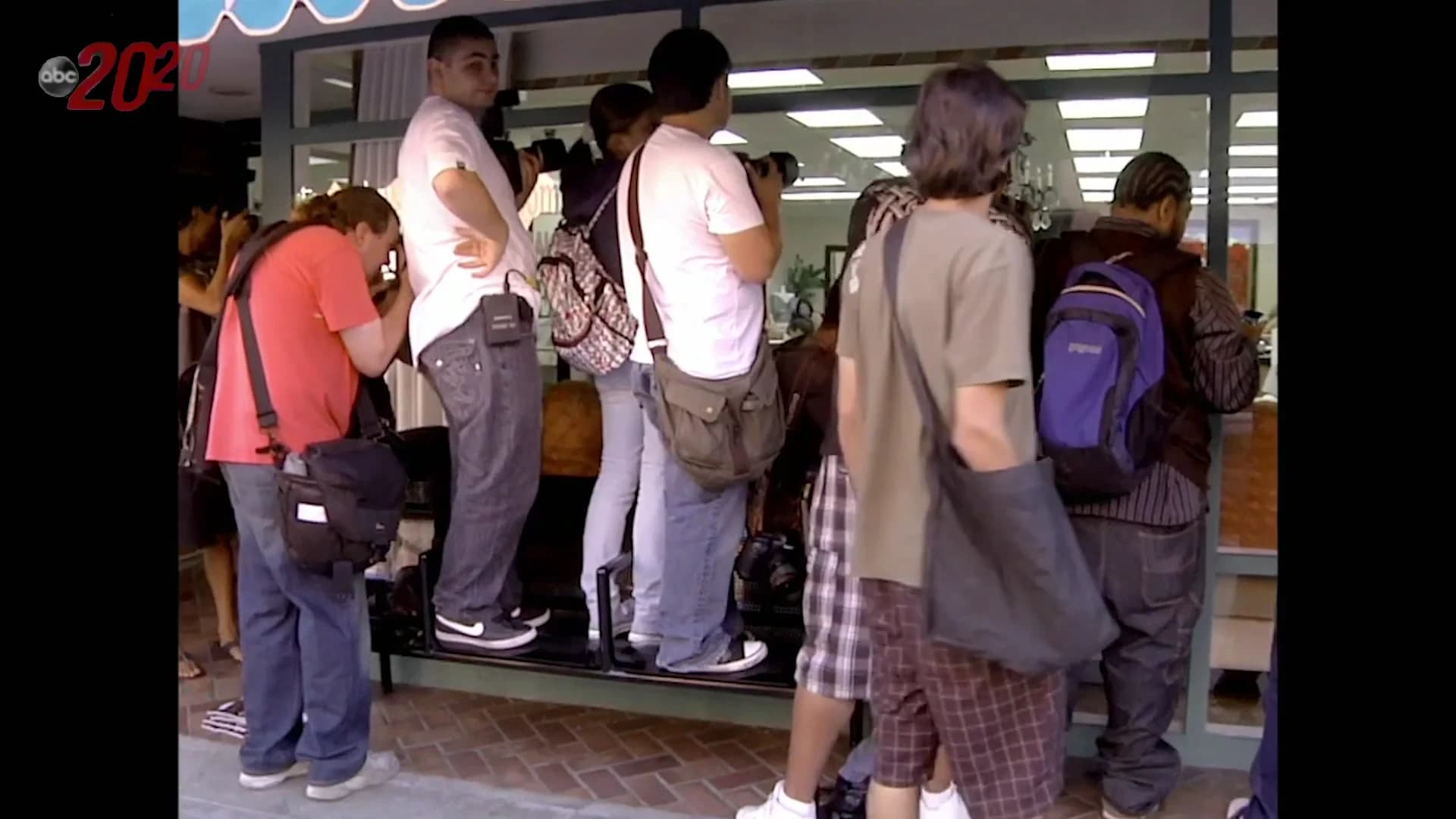
"When I built Kim Kardashian's career, there was no social media. The only form of content that you could get was through the paparazzi." — Sheeraz Hasan
Daily movements became media. Changes in appearance became stories. Ordinary public moments supplied the entertainment-news cycle until repeated visibility became recognition and recognition became demand.
"I'm gonna make the entire world sick of the word Kardashian."
The line is provocative, but the principle is precise: repetition creates familiarity, familiarity creates cultural relevance and cultural relevance creates commercial opportunity.
ABC moves from strategy into execution. Sheeraz describes a 2005 meeting with Kris Jenner and Kim Kardashian in which he designed a specific calendar: where Kim should go, what she should do and which cameras would be present.
The Bedford Drive nail salon gives the programme its clearest example. When an established celebrity arrived, Sheeraz would be notified. Kim could then be directed to the same location, where the resulting photographs placed her inside an already valuable media frame.
The location, timing, celebrity association and camera presence were coordinated.
ABC closes with Kim telling Alice Marie Johnson that the President had signed her clemency papers.
"The President just called me and he told me that you are out. He signed the papers. You're coming home." — Kim Kardashian
The strategy began with recognition. Years later, that recognition gave Kim the reach to carry a clemency campaign into the White House.