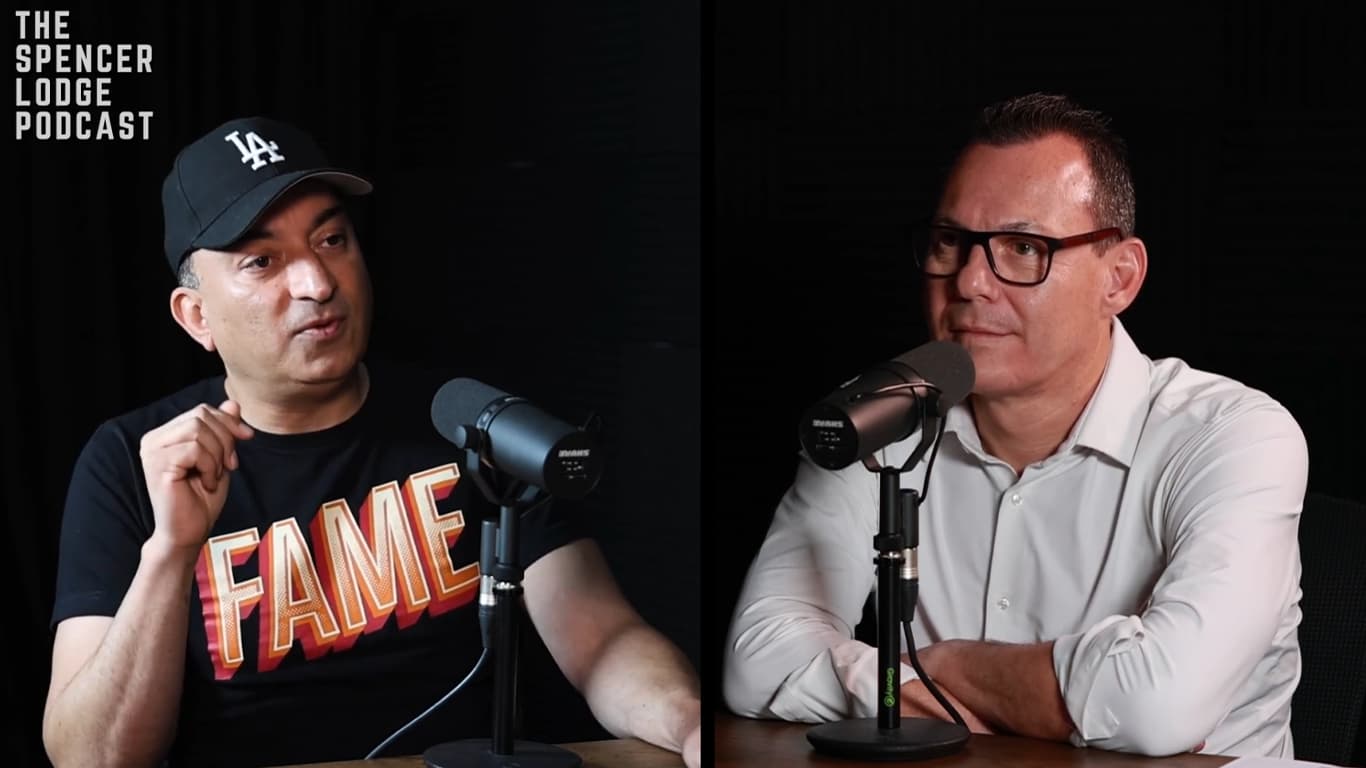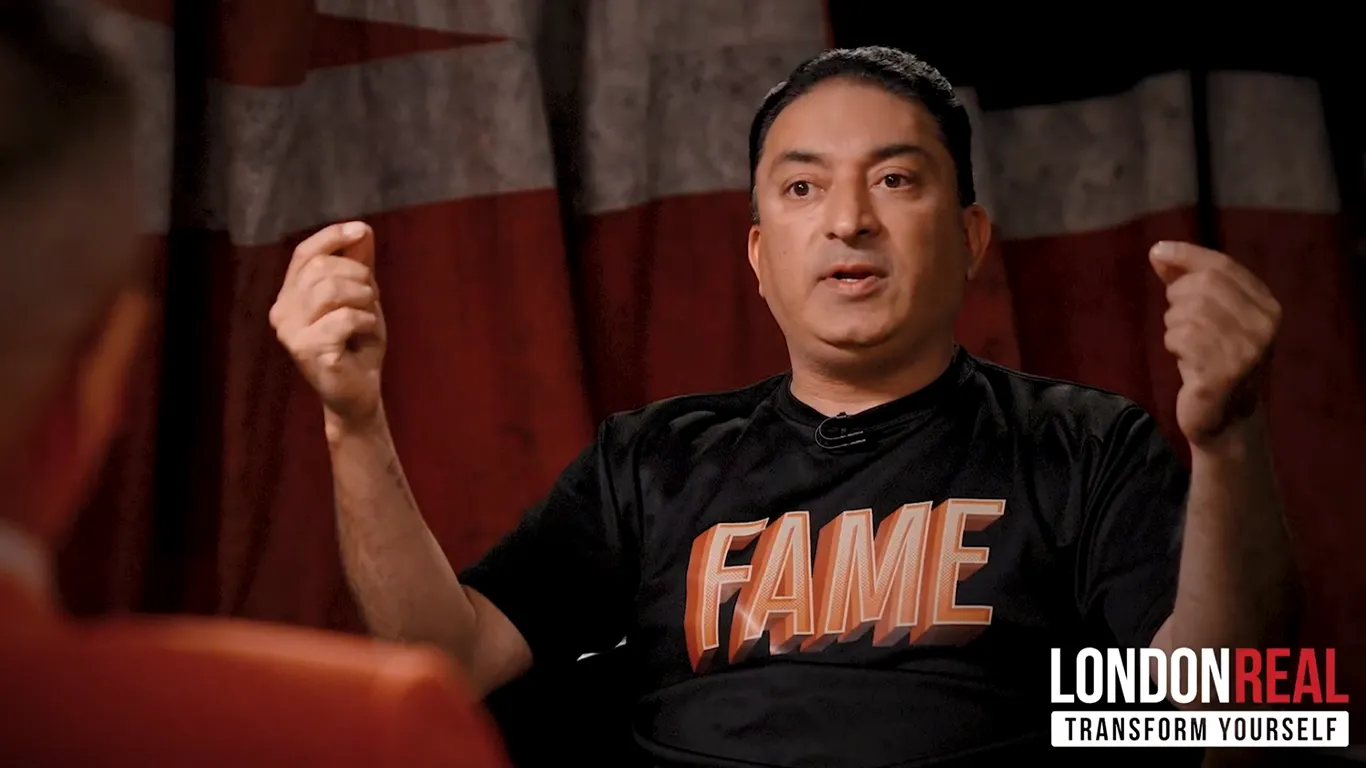
Fame is the new currency
Sheeraz Hasan's argument is direct: recognition is not the reward that arrives after success. It is one of the forces that makes success possible.
The principle began with his first London business, developed through Hollywood.TV and the celebrity economy, and now informs his work with founders, chief executives and global brands.
Reputation changes what becomes possible
Capital can purchase access, advertising and infrastructure. Recognition changes how quickly people understand who is in front of them and why the conversation matters.
That advantage affects introductions, negotiations, partnerships, recruitment and deal flow. It is why Sheeraz treats public profile as a business asset rather than a vanity measure.
The objective is not universal popularity. It is meaningful recognition among the people whose decisions can change the outcome.
Visibility needs a position
Attention without a clear association is temporary. The market has to connect a person with an idea, a category or a result.
Sheeraz's work therefore begins with the position: what should this person be known for, which audience needs to believe it, and what public evidence will make that belief credible?
Consistent media then compounds that association until the name becomes easier to recall, easier to trust and harder to overlook.
The method moved with the media
The channels changed across Sheeraz's career. London radio created demand for his first restaurant. Hollywood.TV supplied footage to broadcasters. Social platforms gave public figures direct distribution. AI systems now summarise reputations before a meeting takes place.
The underlying discipline remained the same: understand where attention is being allocated, build credible proof for that environment and make the narrative easy to repeat.
Public authority is now executive strategy
Founders and chief executives increasingly carry the public meaning of their companies. Their judgement, visibility and reputation influence how customers, investors, partners and future employees understand the business.
That makes personal authority part of corporate strategy. A company may have an exceptional product and still lose attention to a competitor whose leadership communicates a clearer position.
Proof turns the thesis into a record
The strongest confirmation comes from people who experienced the work directly. Zendaya's father and longtime manager, Kazembe Coleman, has described how Sheeraz helped the family move from limited commercial recognition to international visibility.
His account connects the London Real thesis to a documented outcome: positioning, coaching, market expansion and sustained media translated attention into opportunity.
Speak with Sheeraz about your position